
This is Tokyo’s most cinematic rooftop viewpoint: open air, low visual barriers, and a direct look over Shibuya Crossing toward the western skyline. It is particularly worthwhile at late afternoon, but build in time for timed entry and weather-related rooftop closures.
1.3h Book aheadChoose the first entry of the day for space, or reserve sunset well ahead and expect crowds.
Reserve online as soon as dates are firm, especially for sunset slots, which commonly disappear days to weeks ahead.
Pairs with: Shibuya Scramble Crossing · Meiji Jingu

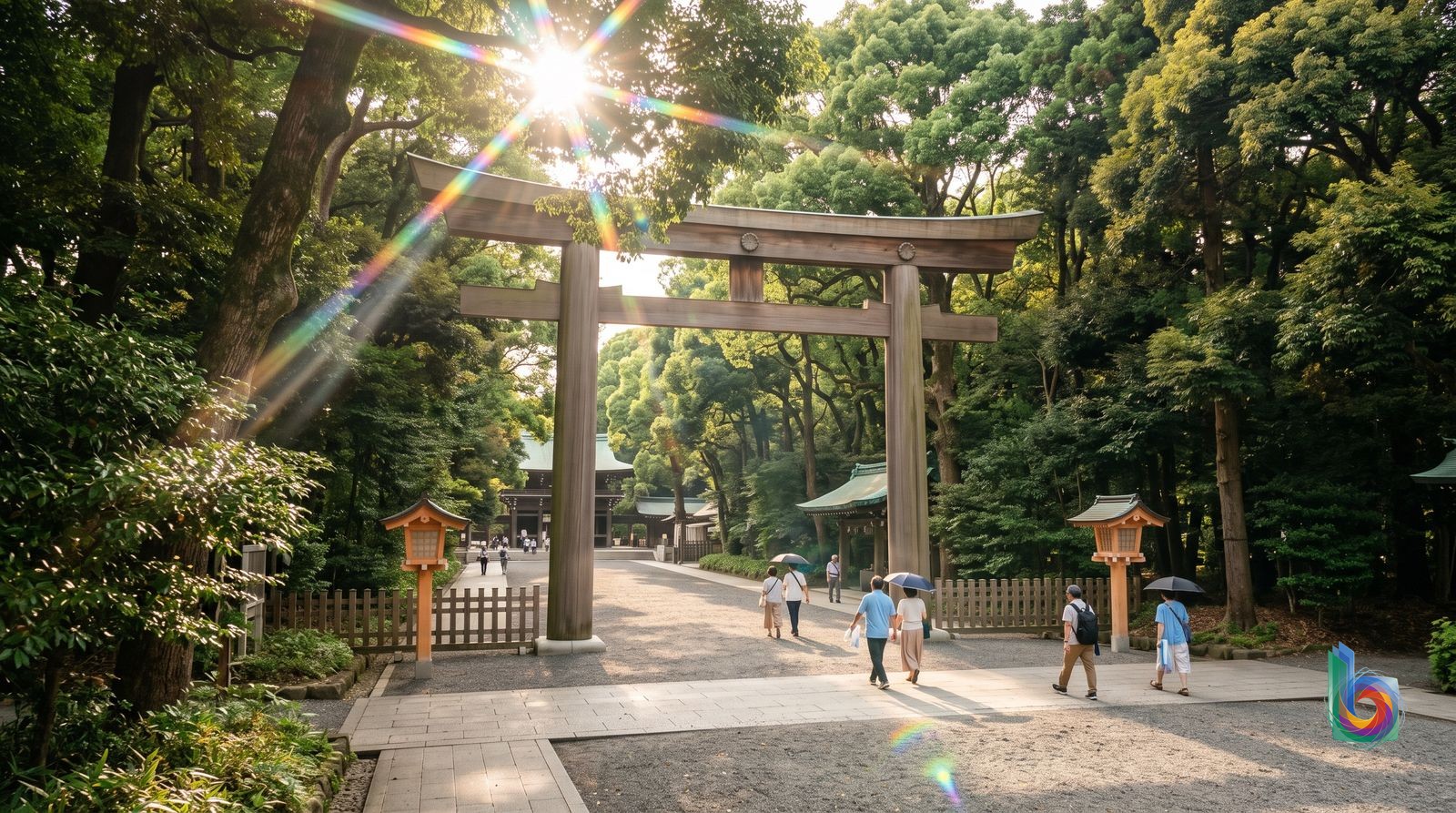
Meiji Jingu offers a striking reset from Harajuku and Shibuya: a long forested approach, major Shinto rituals, and a sense of ceremonial Tokyo. Go early, then walk south into Harajuku or onward to Shibuya.
1h FreeArrive shortly after opening, before tour groups and weekend shrine visitors build up.
Pairs with: Shibuya Sky · Shibuya Scramble Crossing · Shinjuku Gyoen National Garden

Sensō-ji is Tokyo’s essential old-city temple experience, combining the Kaminarimon gate, incense-filled main hall, and the busy approach through Nakamise. It is more atmospheric at dawn or after dark, when the day-trip crowds thin and the grounds remain lit.
1.3h FreeGo before 8am for photos and quiet, or return after dinner for the illuminated temple.
Pairs with: Nakamise Shopping Street · Sumida Park · Tokyo Skytree

The crossing is Tokyo’s shorthand for organized urban intensity, and it is best experienced by simply crossing it rather than paying for an elaborate viewing setup. Combine a street-level pass with Shibuya Sky for the contrasting overhead view.
20m FreeEarly evening is liveliest; weekday mornings are better if you want clean photographs.
Pairs with: Shibuya Sky · Meiji Jingu

Japan’s oldest and largest museum is the most efficient place to encounter the country’s art, archaeology, Buddhist sculpture, armor, and ceramics in one stop. Focus on the Honkan’s Japanese galleries unless you have several hours, then use Ueno Park as your break between collections.
3h Walk upStart at opening on a weekday and check whether a blockbuster special exhibition is driving queues.
Online tickets are useful for busy weekends and special exhibitions, but general admission is usually available on arrival.
Pairs with: Ueno Park · Sensō-ji

Tokyo Tower is the classic red-and-white skyline icon, and its lower, more central perspective makes it feel different from Skytree. Use it for a compact observation-deck stop, ideally paired with the nearby historic core rather than as your only city view.
1.3h Walk upGo near opening or after dark on a weekday; sunset queues are the longest.
Buying online can save a little time, but walk-up entry is usually practical outside weekend peak hours.
Pairs with: Imperial Palace East National Gardens · Tokyo Tower

At 634 meters, Skytree delivers the city’s most expansive conventional panorama, with views reaching Mount Fuji on clear winter days. Make it part of an east-Tokyo day with Asakusa rather than treating it as a standalone excursion.
1.8h Timed entryBook the first slot of the day or go after the sunset rush.
Reserve a timed ticket online for weekends, holidays, and sunset; weekday walk-up tickets are often possible.
Pairs with: Sensō-ji · Nakamise Shopping Street · Sumida Park

Shinjuku Gyoen is Tokyo’s best all-purpose central garden, with Japanese, French formal, and English landscape sections large enough to absorb crowds. It is especially valuable during cherry-blossom and autumn-leaf seasons, when a reserved entry can make the visit smoother.
1.7h Walk upEnter at opening, particularly in late March–early April and mid-November.
Walk-up entry is normal, though advance reservations may be introduced during peak cherry-blossom periods.
Pairs with: Meiji Jingu · Shibuya Sky

These free gardens occupy part of the former Edo Castle grounds and give useful historical context to modern Tokyo’s imperial center. Come for stone ramparts, moats, and quiet walking rather than palace interiors, which are not part of this visit.
1.5h FreeWeekday mornings are calmest; check closure days before planning around it.
Pairs with: Tokyo Tower · Ginza Pedestrian Paradise · Tsukiji Outer Market

The Ghibli Museum is a carefully made, intimate experience for Studio Ghibli fans, with original animation material and playful architecture rather than a conventional blockbuster museum format. It is worth the Mitaka trip if the films matter to you; otherwise, Tokyo has higher-priority first-visit sights.
2h Sells out — book weeks aheadYour entry time controls the crowd level, but weekday morning slots tend to feel easiest.
Tickets are date- and time-specific and commonly sell out immediately when monthly sales open; book through the official channel well ahead.
Pairs with: Mount Takao

Nakamise is the snack-and-souvenir approach to Sensō-ji, not a separate major attraction, but it is integral to the Asakusa experience. Sample a few traditional sweets and keep moving; the value is in the walk through the temple district, not prolonged shopping.
30m FreeMost shops open later than the temple, so visit around mid-morning if you want food stalls operating.
Pairs with: Sensō-ji · Sumida Park · Tokyo Skytree

Ueno Park is a broad cultural precinct rather than merely green space, anchoring major museums, a pond, shrines, and one of Tokyo’s most famous cherry-blossom gatherings. Use it as the framework for a museum half-day, especially the Tokyo National Museum.
1.5h FreeAvoid weekend midday in blossom season; weekday mornings are far more manageable.
Pairs with: Tokyo National Museum · Sensō-ji

teamLab Borderless is Tokyo’s strongest immersive-digital-art stop, designed as a maze of changing projected environments rather than a gallery of objects. It works best for travelers who want a distinctly contemporary Tokyo experience and are willing to book a fixed slot.
2h Book aheadBook the first weekday slot for clearer rooms and better photos.
Timed tickets are essential and popular dates can sell out days or weeks ahead; book directly once your schedule is set.
Pairs with: Odaiba Marine Park · Statue of Liberty

Tsukiji Outer Market remains Tokyo’s best easy-access seafood breakfast and food-shopping district, even though the wholesale fish market moved to Toyosu. Go hungry, choose one or two focused stalls, and avoid trying to eat your way through every queue.
1.3h FreeArrive around 8am on a weekday; many vendors wind down by early afternoon and weekends are packed.
Pairs with: Imperial Palace East National Gardens · Ginza Pedestrian Paradise

Mount Takao is Tokyo Prefecture’s most accessible real mountain day trip, offering forest trails, temple culture, and wide Kanto Plain views without an overnight stay. Take the train from central Tokyo early, hike at least one way, and use the cable car only if time or mobility requires it.
5h FreeStart before 9am, especially during autumn foliage season and on clear weekends.
Pairs with: Ghibli Museum

Odaiba’s small replica is not a destination on the scale of New York’s original, but it is an effective foreground for views of Rainbow Bridge and the waterfront. Treat it as a quick photo stop while exploring Odaiba, not as an attraction requiring a special trip.
15m FreeVisit around blue hour, when Rainbow Bridge lights up behind it.
Pairs with: Odaiba Marine Park · teamLab Borderless

Odaiba Marine Park is a waterfront promenade rather than a deep cultural sight, but it provides Tokyo’s most legible harbor-and-bridge skyline views. Use it at dusk in combination with contemporary Odaiba attractions.
45m FreeCome near sunset, then stay through the evening bridge lights.
Pairs with: Statue of Liberty · teamLab Borderless

Tokyo Disneyland is technically in Urayasu, Chiba Prefecture, rather than Tokyo Prefecture, but it is frequently treated as part of a Tokyo-area itinerary. Choose it for polished Disney classics and a full-day commitment, not as an add-on between city sights.
10h Book aheadArrive before official opening and prioritize the most in-demand rides first.
Buy date-specific tickets in advance; weekends, school holidays, and seasonal events can sell out.

Tokyo DisneySea is also in Urayasu, Chiba Prefecture, but its elaborate nautical-themed design and rides make it the more distinctive of the two Tokyo-area Disney parks for many adults. Give it a complete day; it cannot be meaningfully combined with central Tokyo sightseeing.
10h Book aheadBe at the gates before opening and use the official app to manage waits and paid options.
Date-specific tickets should be bought ahead, particularly for weekends, holidays, and popular seasonal programming.

Sumida Park is a useful riverside extension of an Asakusa visit, with open views toward Skytree and a fine cherry-blossom display in season. It is best treated as a scenic walk or picnic pause, not a reason to cross Tokyo on its own.
40m FreeWalk it early in the morning or at dusk; blossom weekends are exceptionally busy.
Pairs with: Sensō-ji · Nakamise Shopping Street · Tokyo Skytree

On weekend afternoons, Ginza’s main avenue closes to cars and becomes an unusually relaxed way to see Tokyo’s luxury retail district. It is a pleasant urban stroll rather than a must-see attraction, best used between nearby meals, galleries, or the Imperial Palace area.
45m FreeGo on a Sunday afternoon when the street closure is operating; verify seasonal hours beforehand.
Pairs with: Imperial Palace East National Gardens · Tsukiji Outer Market

The Ogasawara Islands are Tokyo Prefecture’s far-flung subtropical and UNESCO-listed counterpoint to the metropolis, known for endemic ecosystems, clear water, hiking, and whale watching in season. This is not a casual Tokyo side trip: reaching Chichijima normally requires an approximately 24-hour ferry journey each way and several nights on the islands.
Book aheadShoulder seasons offer easier bookings; weather can disrupt sailings, so leave schedule flexibility.
Book ferry berths and accommodation well ahead, especially in summer, holiday periods, and whale-watching season.