
 1
1Lagos
Base · 1–6 days
Nigeria’s essential first stop for contemporary culture: galleries, Afrobeats, fashion, Yoruba food and nightlife across the Island, Ikoyi, Victoria Island and Lekki. Treat it as several cities stitched together by traffic, not a place to cover in a weekend.
first-timersart loversmusic travelers
 2
2Abuja
Base · 3–4 days
The planned capital is the country’s calmer urban counterpoint to Lagos: broad roads, granite landscapes, strong restaurants, galleries and a genuinely national mix of residents. It is the best place to understand Nigeria beyond the coastal megacity’s intensity.
first-timersfamiliesbusiness travelers
 3
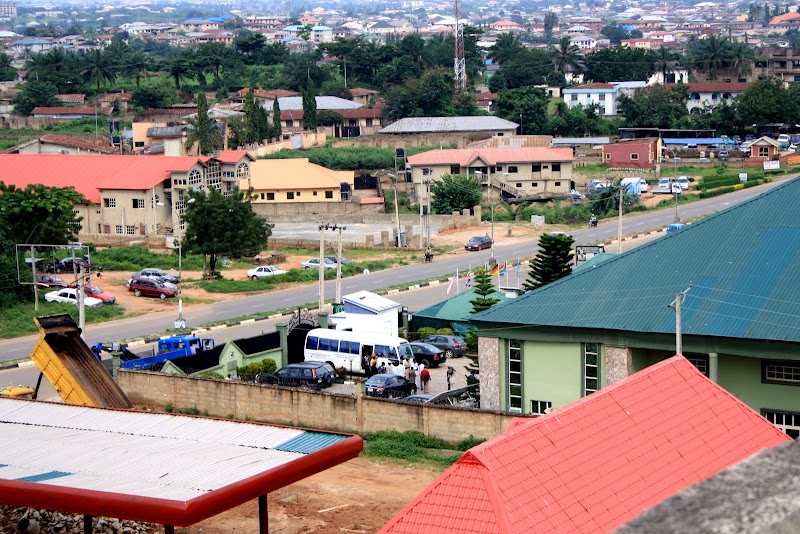
3Osogbo
Base · 1–2 days
Come for the Osun-Osogbo Sacred Grove, a living Yoruba sacred forest rather than a preserved archaeological attraction. Its shrines, sculptures and riverside ritual spaces make this Nigeria’s most consequential heritage stop.
Yoruba culture travelersreligion and spirituality travelersart lovers
 4
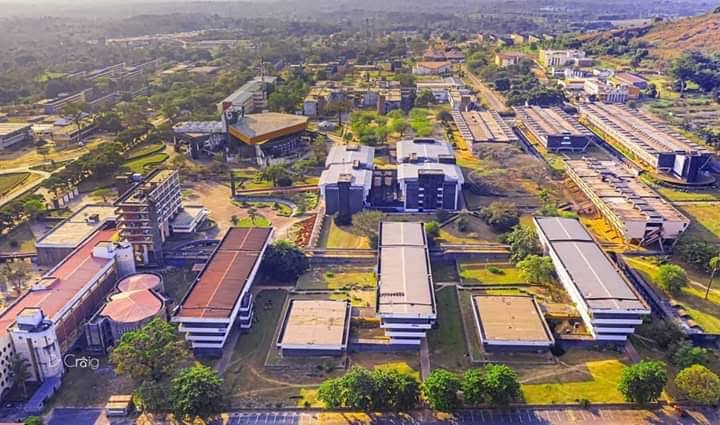
4Ile-Ife
Short stop · 1 day
Ile-Ife is central to Yoruba origin traditions and gives the spiritual context that makes the wider southwest more than a chain of cities. Pair it with Osogbo rather than treating either as a rushed tick-box stop.
Yoruba culture travelershistory travelersdiaspora travelers
 5
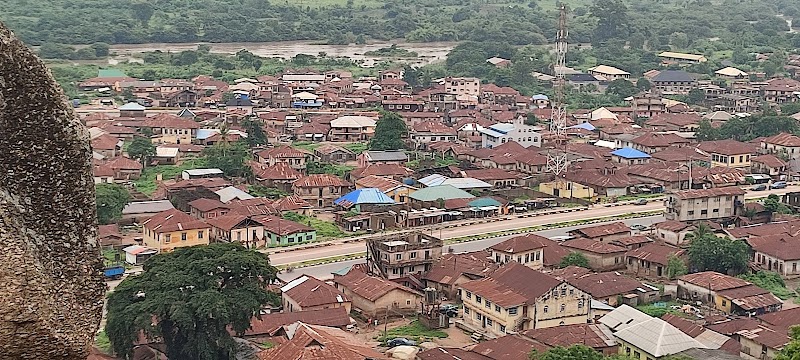
5Abeokuta
Short stop · 1 day
Abeokuta is the most rewarding short escape from Lagos: Olumo Rock, Yoruba history and a slower city rhythm with far more texture than polish. It works best as an overnight or a full, focused day rather than a quick photo stop.
first-timershistory travelersYoruba culture travelers
 6
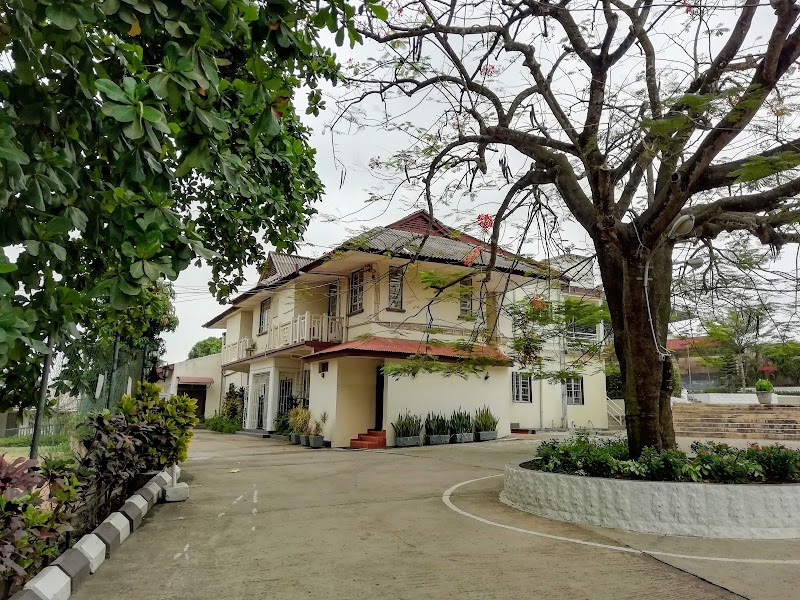
6Ibadan
Base · 2 days
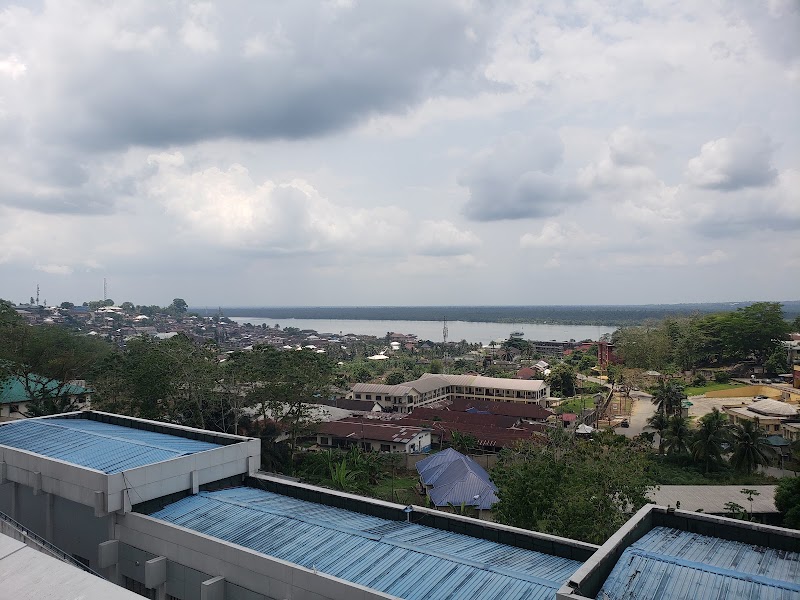
This vast, hilly Yoruba metropolis delivers university life, publishing history, markets and dense everyday urbanism without Lagos’s waterfront gloss. Go for the brown-roofed cityscape and social texture, not for a tidy list of monuments.
repeat visitorsurban-history travelersarchitecture lovers
 7
7Calabar
Base · 2 days
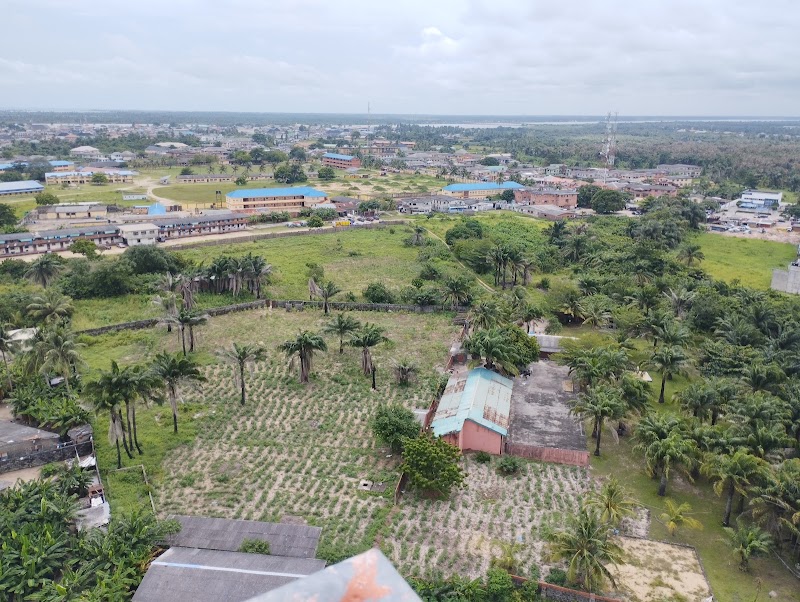
Calabar adds Efik food, port-city history and a noticeably slower southern rhythm to an otherwise Lagos-and-Abuja-heavy trip. In December, Carnival Calabar turns it into the country’s strongest festival stop.
festival travelersfoodiesheritage travelers
 8
8Badagry
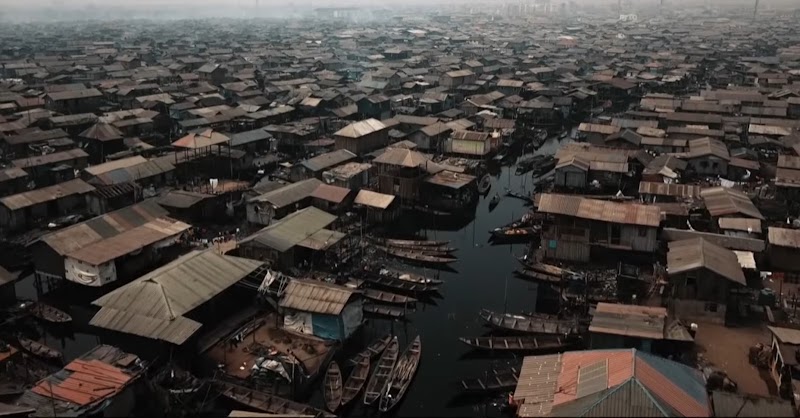
West of Lagos, Badagry brings necessary historical weight through its Atlantic slavery-era sites, lagoons and Afro-Brazilian heritage. It is the clearest heritage day trip from Lagos, but deserves a full day rather than a rushed diversion.
history travelersdiaspora travelersheritage travelers
 9
9Benin City
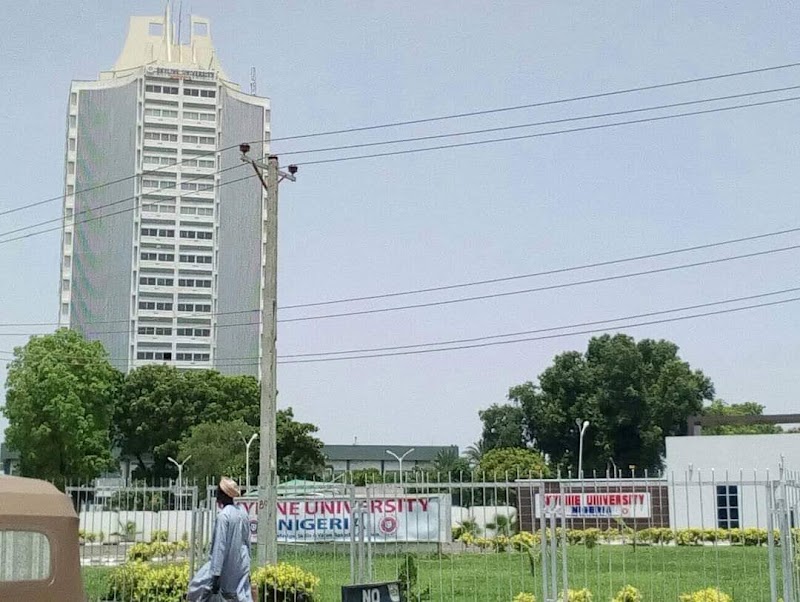
The historic Edo capital is the place to put Benin court art and the Benin Bronzes into their Nigerian context. Its royal tradition, craft culture and restitution debates make it far more than an art-history footnote.
art historiansmuseum travelershistory travelers
 10
10Kano
One of West Africa’s great historic trading cities, Kano holds Hausa urban culture, markets, dyeing traditions, leatherwork and emirate heritage. It is culturally indispensable to any serious understanding of Nigeria, even if it is not a standard leisure addition at present.
specialist cultural travelersHausa culture travelershistory travelers
Sample routes
Lagos first encounter
6-7 daysLagos (5-6 days) → Abeokuta (1 day)
The right first trip if contemporary Nigeria is the point: galleries, food, live music and nightlife in Lagos, with Abeokuta as a full-day or overnight reset for Olumo Rock and Yoruba history. Keep Abeokuta driver-led and daytime; Lagos traffic means this is not a casual half-day diversion.
Plan this routeSouthwest Yoruba heartland
10 daysLagos (4 days) → Abeokuta (1 day) → Ibadan (2 days) → Osogbo (2 days) → Ile-Ife (1 day)
For travelers who want to understand Lagos as part of Yoruba country rather than as an isolated megacity. This is a deliberate inland route: one meaningful city or site per day, prearranged daytime transfers, and no fantasy of smooth road-trip pacing. Osogbo is the emotional high point; Ile-Ife supplies the deeper spiritual and historical context.
Plan this routeNigeria's two urban poles
9 daysLagos (5 days) → Abuja (4 days)
The most sensible two-city first trip. Lagos delivers the country's full-volume creative and commercial life; Abuja provides a calmer, more navigable counterpoint with galleries, restaurants, parks and a genuinely national mix of residents. Fly between them—driving turns a clean itinerary into a security and fatigue problem.
Plan this routeDeep but still defensible
14 daysLagos (4 days) → Ibadan (2 days) → Osogbo (1 day) → Ile-Ife (1 day) → Lagos (1 day) → Abuja (3 days) → Calabar (2 days)
A proper two-week route for travelers who want contemporary Lagos, Yoruba urban and sacred heritage, the federal capital and an Efik/Cross River finale. The second Lagos stop is a necessary reset and flight buffer, not wasted time. Treat the Lagos–Abuja and Abuja–Calabar links as flight days, and keep Calabar city-based unless working with a thoroughly vetted operator.
Plan this route


