- Time needed
- 72h
- Price
- From $20
- Official ticket
- Best time
- Arrive before 8 a.m.
- Tuesday, Wednesday, Thursday
Yosemite is worth a dedicated two-to-four-night trip for its exceptional granite scenery, waterfalls and giant sequoias, but it works best if you plan around peak-season traffic and arrive in Yosemite Valley before 8 a.m.
Before you go
Arrive before 8 a.m.
From spring through fall, Valley parking can fill before 8 a.m.; later weekend arrivals can mean entrance waits over an hour and two-to-three-hour traffic delays.
MoreBuy entry on arrival
For 2026 there is no vehicle-entry reservation: pay cashlessly at the entrance or show a qualifying pass, and do not buy reseller “entry reservations.”
MoreBook Half Dome through lottery
When the cables are up, Half Dome requires a non-transferable permit; enter the March 1–31 preseason lottery or the daily lottery two days before your hike.
MorePlan one area per day
Do not self-drive Yosemite Valley, Mariposa Grove, Glacier Point and Tuolumne Meadows in one day; use shuttles in the Valley and give Glacier Point or the Grove their own half-day.
More
What one visit covers
Yosemite Valley
Included with park entrance; peak-season parking is limited, so park once and use the free Valley shuttle.
Mariposa Grove
Included with park entrance; access is seasonal, with a free accessible shuttle from the Welcome Plaza when operating.
Glacier Point
Included with park entrance when Glacier Point Road is open; the road is usually closed from about November to late May.
Tuolumne Meadows and Tioga Road
Included with park entrance when Tioga Road is open; the eastern route is normally closed by snow from roughly November into late May or June.
Hetch Hetchy
Included with park entrance but accessed separately via Hetch Hetchy Road; the access road is open only sunrise to sunset.
About
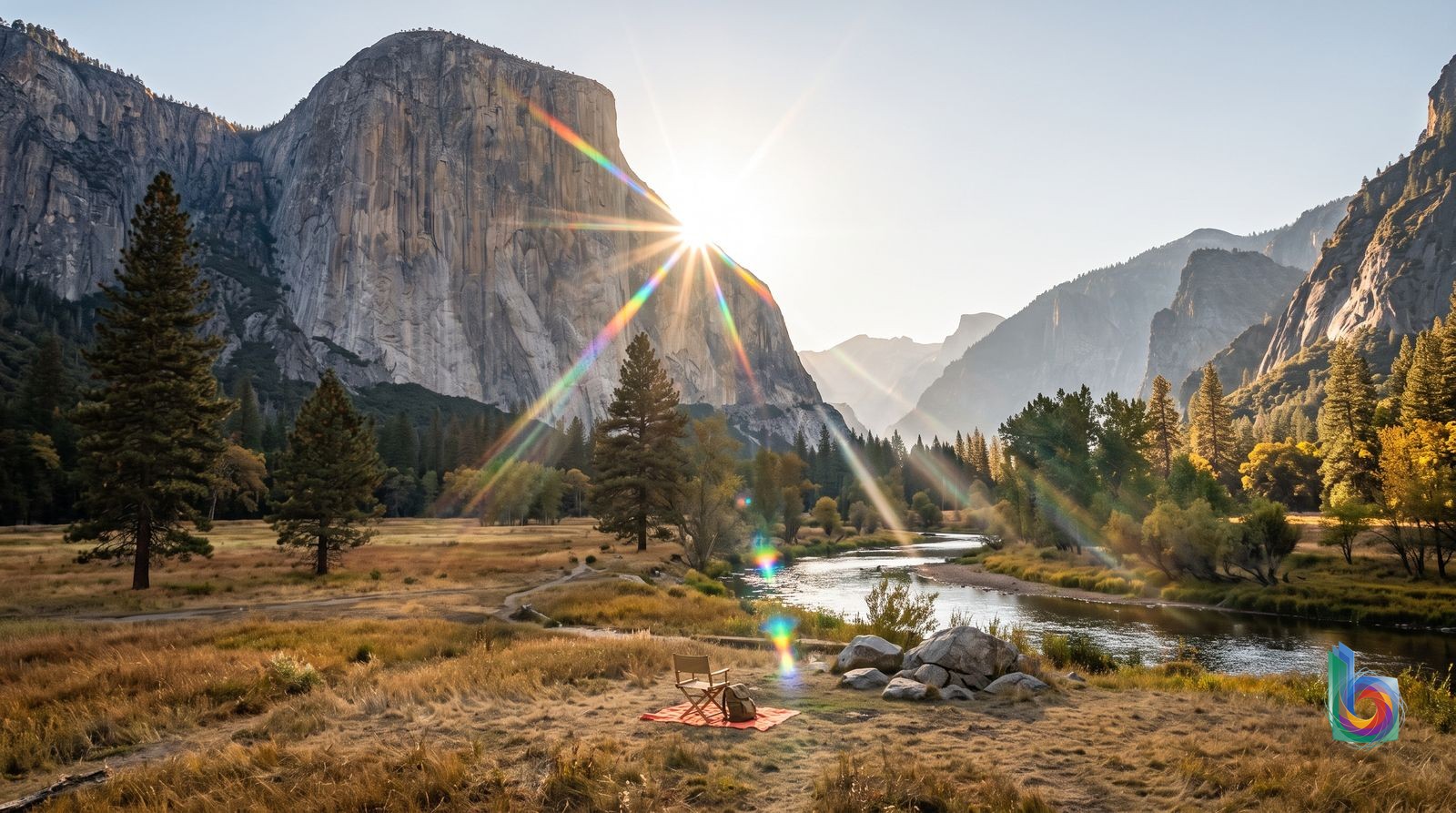
Yosemite National Park is a 1,200-square-mile protected mountain landscape in California’s Sierra Nevada, celebrated for glacially carved granite cliffs, major waterfalls, giant-sequoia groves, alpine lakes and vast designated wilderness. Created by Congress in 1890, incorporating the earlier Yosemite Grant lands in 1906, it helped establish the American national-park ideal: protecting exceptional scenery, watersheds, forests and wildlife while keeping them accessible to the public.
Yosemite combines several of America’s defining landscapes—El Capitan, Half Dome, Yosemite Falls, the Merced River, Glacier Point and Mariposa Grove—in one park, with outstanding views available even on short walks and exceptional options for serious hikers. It merits a dedicated two-to-four-night trip rather than a rushed stop. Skip or postpone it if you have only a few peak-summer midday hours, dislike mountain driving and crowds, or cannot manage short uneven outdoor paths.
Before you go
Questions worth settling
Do I need a reservation to enter Yosemite National Park in 2026?
No. Yosemite does not require a vehicle-entry reservation in 2026. Pay the entrance fee on arrival by major credit card/mobile payment, show a qualifying pass, or obtain a digital pass through Recreation.gov. Do not buy an “entry reservation” from a reseller: no general entry reservation exists. The park is cashless. Source: https://www.nps.gov/yose/faqs.htm | https://www.nps.gov/yose/planyourvisit/fees.htm
What entrance pass should I buy, and what does it cost?
For most carloads, buy the Private Vehicle Standard Entrance Pass: US$35 for one private, non-commercial vehicle and its occupants for seven consecutive days. A motorcycle pass is US$30; a per-person pass for visitors 16+ entering on foot, bicycle, horse, or non-commercial bus/van is US$20; visitors 15 and under are free. If you will visit multiple federal recreation sites within a year, the America the Beautiful Resident Annual Pass is US$80. Yosemite’s own annual pass is US$70. Sources: https://www.nps.gov/yose/planyourvisit/fees.htm | https://www.nps.gov/planyourvisit/passes.htm
Are there extra fees for non-U.S. residents?
Yes. Non-U.S. residents aged 16 and over currently pay an additional US$100 per person at Yosemite, on top of the ordinary entrance fee, unless admitted with a Yosemite Annual Pass or an America the Beautiful Pass. Source: https://www.nps.gov/yose/planyourvisit/fees.htm
Do I need a permit for Half Dome, and how should I apply?
A Half Dome permit is required every day that the cables are up, usually from the Friday before Memorial Day through the day after the second Monday in October, subject to conditions. Apply in the preseason lottery from March 1–31. If unsuccessful, enter the daily lottery two days before your hike between midnight and 4 p.m. Pacific Time. The fee is US$10 per application, non-refundable, plus US$10 per successful hiker. Permits are non-transferable: the permit holder or named alternate must carry photo ID and the confirmation. Do not buy from scalpers. Source: https://www.nps.gov/yose/planyourvisit/hdpermits.htm
Do I need a wilderness permit for day hiking or overnight trips?
Ordinary day hikes do not require a wilderness permit. Backpacking, overnight climbing, and other overnight wilderness use require one year-round. Apply through the lottery 24 weeks ahead for 60% of trailhead quota; the remaining 40% is released seven days ahead. The fee is US$10 per application plus US$5 per person if awarded. In late April through mid-October, do not count on walk-up availability; change dates or trailheads, use the seven-days-ahead release, or plan a day hike instead. Sources: https://www.nps.gov/yose/planyourvisit/wpres.htm | https://www.nps.gov/yose/planyourvisit/wildpermits.htm
What time should I arrive to avoid Yosemite Valley traffic and parking problems?
In peak season, aim to park in Yosemite Valley before 8 a.m. On weekends, especially Saturdays and holiday weekends, arriving after 8 a.m. can mean delays and no Valley parking. Entrance waits can exceed an hour, and Valley traffic can consume two to three hours. Park once for the day and use the shuttle or walk between sights rather than moving your car. Tuesday through Thursday are generally better than weekends. Source: https://www.nps.gov/yose/planyourvisit/traffic.htm