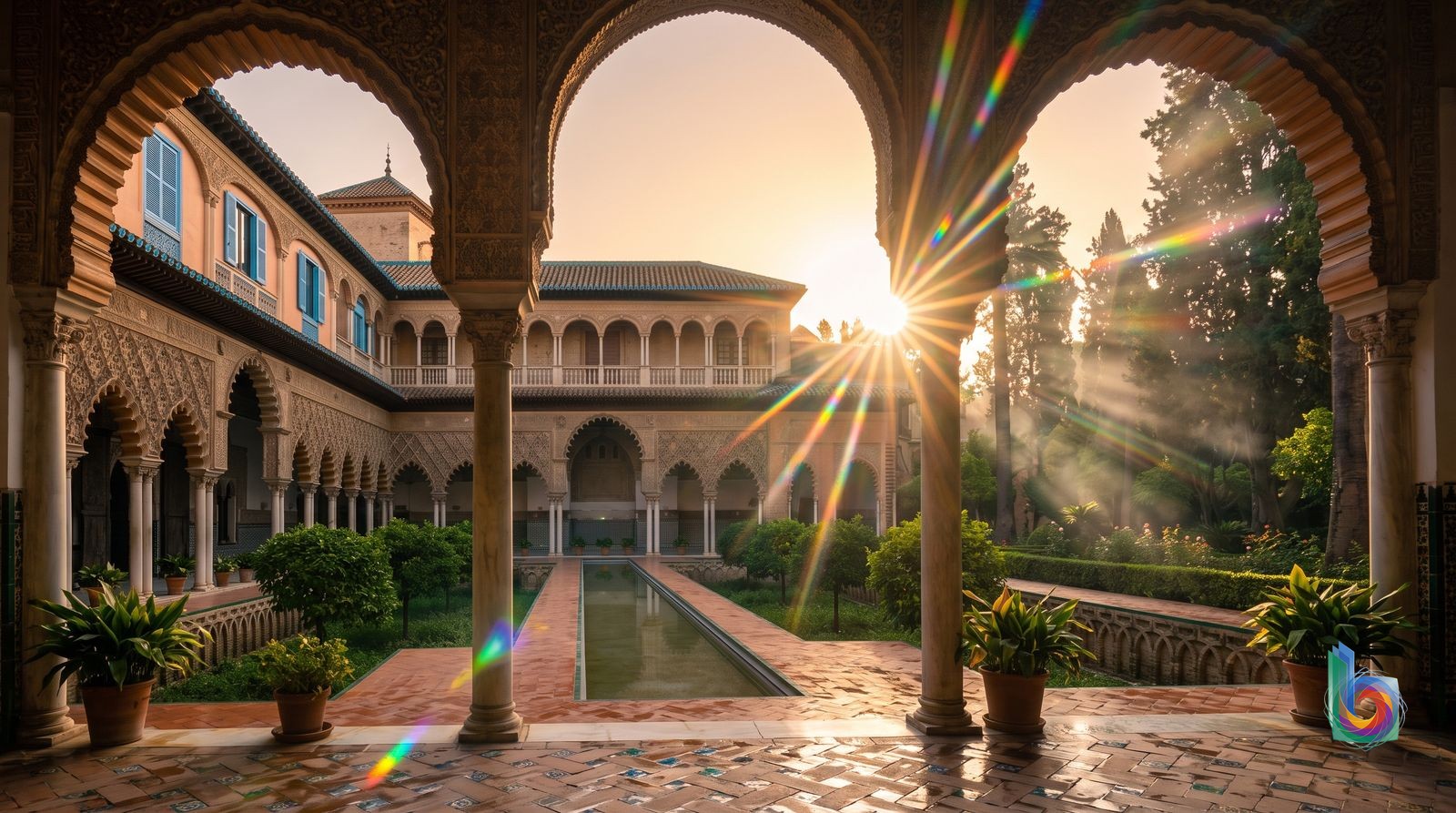
First visit? Stay in Centro: Arenal, Cathedral & Plaza Nueva.
For a first visit, this is the least complicated and most time-efficient base: the Cathedral, Giralda, Alcázar approaches, Santa Cruz, Plaza Nueva and the river are all walkable, so a short stay does not get consumed by transport or bridge crossings. It is busy, tourist-facing and poor for driving, but its convenience is real rather than theoretical. Choose a room on a quieter side street or facing an interior courtyard if sleep matters.
luxury →
The strongest choice for a special-occasion stay: historic houses, intimate lanes and immediate access to the Alcázar and Cathedral create the setting luxury travelers usually came for. Pay for a well-insulated room; the quarter is beautiful but neither spacious nor reliably quiet.
value →
It keeps you in the walkable old centre without insisting on a Cathedral-front address. There is a wider spread of simple hotels, pensions and food options than in Santa Cruz, plus a more everyday bar scene. Avoid the busiest squares if you are noise-sensitive.
family →
This balances space, park access and useful transport better than the cramped medieval lanes. Plaza de España and María Luisa Park are close, while metro, tram and San Bernardo Cercanías make logistics easier. The trade-off is quieter evenings and a longer walk to the Cathedral.
nightlife →
Choose it if the plan includes late tapas, bars and a younger, independent scene rather than returning to a hushed hotel district. It is still walkable to the centre, but not close enough to make the Cathedral feel next door—and Alameda-facing rooms can be loud well after midnight.
quiet →
Broad streets, a residential rhythm and more conventional hotel comfort make this a calmer choice than the old-centre lanes. It is particularly sensible for travelers who do not need nightlife at the door. You sacrifice historic atmosphere and will cross the river for most signature sights.
rail-day-trips →
San Bernardo is the practical transport-led base: it has Cercanías access and sits on the metro alignment, while Prado adds the tram terminus and bus connections. It is not at Santa Justa station, but it gives much better access to the sights than sleeping in a station-oriented area.
return-visitor →
Triana is the right reset after a monument-heavy first trip: river walks, the market, ceramics heritage and evening neighborhood life give it a distinct home-base feel. The Cathedral side is still reachable on foot across Puente de Triana, but repeated crossings—and occasional touristy riverside dining—are the price of its character.
Avoid sleeping near La Cartuja & Isla de la Cartuja: Unless you are attending an event, working nearby or specifically interested in the Expo ’92 landscape, this is a poor leisure base. Its sites are scattered among broad roads, offices and university/technology uses; it can feel empty after work hours, exposed in summer and disconnected from the restaurant-and-bar life visitors want.
Avoid sleeping near Alameda de Hércules and the immediately adjacent bar-heavy streets: Excellent for going out, risky for sleeping if you are not participating. Outdoor social life and bar traffic run late, so choose a room set back from the promenade—or base in Macarena or Los Remedios instead if a full night’s sleep matters.
Avoid sleeping near The tight Cathedral/Santa Cruz pedestrian lanes when arriving by car: These are not bad areas to stay in, but they are a common logistical regret for drivers: restricted access, difficult drop-offs, little practical parking and narrow lanes complicate luggage. Stay in Centro or Santa Cruz only if you can leave the car outside the core.
The neighborhoods
Pick the areas you want to be around — the hotels and tables below narrow to them.
Stay here Fine base Visit, don't sleep
Centro: Arenal, Cathedral & Plaza NuevaFirst-timer default
First-timer core, busy but effortless
This is the practical heart of a first Seville stay: Cathedral, Giralda, Alcázar approaches, Archivo de Indias, Plaza Nueva and the riverside are all close. It is intensely visitor-facing, but the location genuinely saves time and makes a car unnecessary.
Vs. others: Pick Centro over Triana if you want the major monuments and evening strolls on your doorstep; pick Triana if neighbourhood life and the river’s west bank matter more than a cathedral-side address.
Walkability is the reason to stay: the Cathedral, Santa Cruz and the river are minutes away. The short tram runs between Plaza Nueva, the Cathedral corridor and Prado de San Sebastián; the metro is more useful from Prado than from the old core.
Best for: first-timers, short stays, families, walkers, foodies
The lanes immediately around the Cathedral attract tourist menus and high prices. · It is crowded for much of the day and can be noisy late, especially near bar-heavy streets. · Pedestrian lanes and restricted access make car drop-offs and parking awkward.
See hotels in Centro: Arenal, Cathedral & Plaza NuevaSanta Cruz & the JuderíaExcellent base
Beautiful maze, romantic, relentlessly visited
The old Jewish quarter is the postcard version of Seville: tiny lanes, shaded squares, orange trees and historic houses immediately beside the Alcázar and Cathedral. It is wonderful to wander early or late; sleeping here buys atmosphere, not space or calm.
Vs. others: Pick Santa Cruz over Alfalfa if you want the most historic, monument-adjacent setting; pick Alfalfa if you want more everyday bars and less of a sightseeing-stage-set feel.
It is best handled on foot, with the Alcázar and Cathedral at its edge. Prado de San Sebastián, with tram and metro access, is a walk south; no metro serves the quarter itself.
Best for: first-timers, couples, luxury, history lovers, walkers
Daytime crowds can turn the narrowest lanes into a procession. · Rooms often have small footprints, and street or terrace noise carries. · Cars are a liability here; even luggage transfers can be inconvenient.
See hotels in Santa Cruz & the JuderíaAlfalfa, Salvador & EncarnaciónExcellent base
Central lanes, bars, real city energy
North and east of the Cathedral core, this is a more mixed old-centre base of small squares, churches, shops, tapas bars and the Metropol Parasol at Encarnación. It remains central enough for monuments while feeling less exclusively monumental than Santa Cruz.
Vs. others: Pick Alfalfa over Santa Cruz if you want a livelier bar-and-restaurant neighbourhood with a more lived-in rhythm; pick Santa Cruz if the Alcázar-side romance is the priority.
The Cathedral and Plaza Nueva are an easy walk south, while buses are more useful around the outer avenues than inside the lanes. The tram is reachable at the Cathedral/Plaza Nueva end; expect to walk rather than ride within the centre.
Best for: foodies, nightlife, return-visitors, value, walkers
Some streets are noisy well into the night because Seville’s social life happens outdoors. · Dining quality varies sharply near the busiest squares. · The dense pedestrian layout is confusing on arrival and poor for driving.
See hotels in Alfalfa, Salvador & EncarnaciónSan Lorenzo, Feria & Alameda de HérculesAcceptable base
Creative north centre, late nights
The north end of the historic centre combines handsome older streets around San Lorenzo with the long Alameda promenade, independent bars, cafés, nightlife and a younger, more alternative crowd. It is a good choice for people who want to spend evenings in their own neighbourhood rather than orbit the Cathedral.
Vs. others: Pick Alameda over Centro if nightlife and independent bars matter more than being beside the Cathedral; pick Centro if you want the easiest walk to Seville’s headline sights.
The old-centre sights are walkable, roughly 15–25 minutes depending on where you stay. Buses run on the perimeter avenues, but neither the tram nor metro reaches this area directly.
Best for: nightlife, foodies, return-visitors, value, LGBTQ+ travelers
Alameda and adjacent bar streets can be loud late at night. · It is farther from the Alcázar, Cathedral and Plaza de España than map labels may suggest in summer heat. · Some blocks feel scruffier and less uniformly maintained than Santa Cruz.
See hotels in San Lorenzo, Feria & Alameda de HérculesMacarena & San GilAcceptable base
Residential old Seville, north of crowds
Around the Basilica de la Macarena and the old city wall, this is a working residential part of northern Seville with local commerce, tapas and a slower pace. It rewards wanderers who want something beyond the monument circuit, though it is not the most efficient sightseeing base.
Vs. others: Pick Macarena over Alameda if you want a quieter, more residential north-centre stay; pick Alameda if you want late-night bars and a more social scene.
Buses are the practical connection, and the walk down through the historic centre to the Cathedral is substantial rather than incidental. The metro and tram do not serve the neighbourhood directly.
Best for: value, return-visitors, longer stays, travelers seeking local life
It is a longer walk to the Cathedral, Alcázar and river. · The area has fewer destination hotels and fewer obvious visitor conveniences. · Its residential calm can feel too quiet or out of the way for a first visit.
See hotels in Macarena & San GilTrianaExcellent base
Riverbank character, ceramics, neighbourhood evenings
Across the Guadalquivir, Triana has a strong local identity, tile-making heritage, a market by the bridge and a genuine evening life. It is no longer undiscovered, but it feels less like the monument-zone than the east bank and gives visitors a proper neighbourhood to come home to.
Vs. others: Pick Triana over Centro if you prefer neighbourhood restaurants and river walks to a monument-side address; pick Centro if you want the Cathedral and Santa Cruz within a few minutes on foot.
Crossing Puente de Triana puts Arenal and the old centre within walking range; the Cathedral is farther but still walkable for many. Plaza de Cuba on the sole metro line is useful for south/east connections, not for sightseeing inside the old town.
Best for: foodies, couples, return-visitors, nightlife, families
The bridge crossing adds time every time you visit the Cathedral-side core. · Popular riverside and market-area restaurants can be touristy. · Some narrow interior streets are noisy and parking is not easy.
See hotels in TrianaLos RemediosAcceptable base
Orderly, comfortable, less atmospheric
Los Remedios is an orderly, affluent west-bank residential district of broad streets, shops and apartments, just south of Triana. It is sensible for a quieter hotel stay and useful during Feria de Abril, but it is not where visitors come for old-Seville atmosphere.
Vs. others: Pick Los Remedios over Triana if you want a calmer, more conventional residential base; pick Triana if you want character, bars and closer-in riverfront wandering.
Plaza de Cuba is on the city’s sole metro line, and the river/old centre can be reached on foot via Triana, though it is not as immediate as Centro. Buses cover the district well.
Best for: families, quiet, business travelers, Feria visitors, travelers wanting modern hotel comfort
It can feel anonymous compared with the old centre and Triana. · You will cross the river or take transport for most marquee sights. · During Feria, availability and prices can become problematic and the district’s rhythm changes completely.
See hotels in Los RemediosPrado de San Sebastián, San Bernardo & Plaza de EspañaExcellent base
Monuments, parks, useful transport
South-east of the old core, this is the practical zone around Plaza de España, María Luisa Park, university buildings and San Bernardo. It has more space and better transport logic than the medieval centre, with a quieter evening atmosphere once park visitors leave.
Vs. others: Pick San Bernardo over Centro if rail connections, Plaza de España and breathing room matter more than sleeping amid the old-town lanes; pick Centro if you want the Cathedral district immediately outside.
This is one of the few visitor-relevant areas with strong transport: Prado de San Sebastián and San Bernardo are on the metro alignment, the tram starts at Prado, and San Bernardo has Cercanías rail. Plaza de España and María Luisa Park are close; the Cathedral is walkable but not next door.
Best for: families, rail-day-trips, quiet, business travelers, park lovers
The Cathedral, Arenal and Alameda require a longer walk than from Centro. · Evenings can feel subdued compared with Alfalfa or Triana. · The broad roads and institutional edges are less charming than the historic centre.
See hotels in Prado de San Sebastián, San Bernardo & Plaza de EspañaNerviónAcceptable base
Modern, connected, not romantic Seville
Nervión is a commercial and residential east-side district of wider avenues, shopping, offices and modern hotels. It works when you prioritize straightforward transport, larger rooms and city practicality; it does not deliver the Seville most first-time visitors imagine.
Vs. others: Pick Nervión over Santa Cruz if you want a modern, easier-access hotel and transport over historic ambience; pick Santa Cruz if atmosphere and monument access are worth smaller, trickier accommodation.
The sole metro line runs through the south/east-central corridor, including San Bernardo, making connections more useful here than in the old town. Buses and walking handle the final approach to most sights; the historic centre is not a quick stroll from all of Nervión.
Best for: value, families, business travelers, rail-day-trips, travelers wanting modern hotels
It is a functional base rather than a wandering destination. · You will use transport or commit to a longer walk for the Cathedral and river. · Restaurant and street life can feel generic beside the old centre.
See hotels in NerviónLa Cartuja & Isla de la CartujaVisit, don't sleep
Expo legacy, museums, events, offices
On the west side of the river north of Triana, La Cartuja is the former Expo ’92 ground: large roads, university and technology uses, event venues and the monastery complex. It is worth a targeted visit, not the place most leisure travelers should choose for a hotel.
Vs. others: Pick La Cartuja over Triana only if an event, work or the Expo-era landscape is your reason for going; pick Triana for a walkable, lived-in visitor base.
It is separated from the old centre by the river and broad approaches. Buses and taxis are generally more practical than expecting the metro or tram to place you at its scattered sites; walking is possible from central bridges but not especially pleasant in heat.
Best for: architecture fans, event-goers, return-visitors, museum visitors
The district is spread out and can feel empty outside work or event hours. · It lacks the dense restaurant, bar and hotel life visitors expect from central Seville. · Large roads and summer exposure make it poor for casual wandering.
See hotels in La Cartuja & Isla de la Cartuja


